
Debtor Days Explained: How Banks Read Your Receivables

Debtor days = trade receivables ÷ annual credit sales × 365. Here is how to calculate it, a worked example, and how banks use it when setting working capital limits.
How cash moves through a business and how banks finance the gap: the working capital cycle, cash flow versus profit, debtor and inventory days, running finance and cash flow forecasts. These guides help owners understand why a profitable business can still run short of cash, and how to present working capital needs to a lender.
Debtor days = trade receivables ÷ annual credit sales × 365. Here is how to calculate it, a worked example, and how banks use it when setting working capital limits.
How to calculate inventory turnover and days inventory, and why slow stock matters to lenders.

A term loan pays for things you keep. A line of credit pays for gaps that come and go. Here is how lenders decide which one fits, with worked cost examples.

What loan covenants are, the financial, positive and negative covenants banks use, what happens if you breach one, and how to stay compliant.
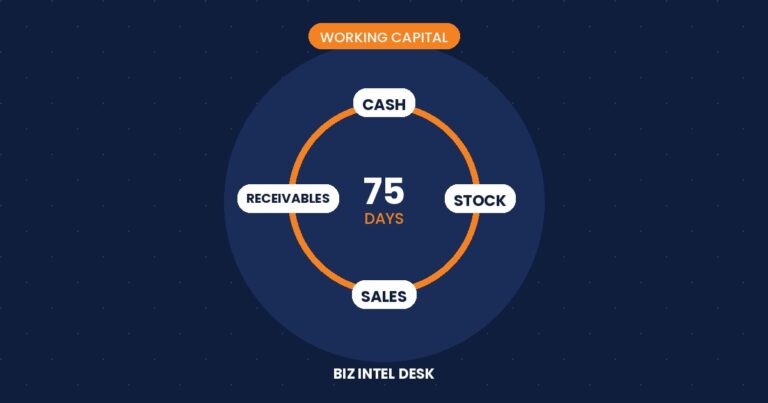
How the working capital cycle ties up your cash, how to calculate your cash conversion cycle, and simple ways to shorten it.