
Current Ratio vs Quick Ratio: Formulas, Example and How Lenders Read Them
Current ratio, quick ratio and cash ratio explained with one worked example, and why stock can hide a liquidity problem.
The financial ratios and metrics that lenders calculate from your accounts, explained with worked examples: DSCR, current and quick ratios, debt-to-EBITDA, inventory and debtor days, break-even and loan-to-value. Each guide shows the formula, the range banks usually look for, and how to improve a weak number. Pair them with our free calculators to check your own figures.
Current ratio, quick ratio and cash ratio explained with one worked example, and why stock can hide a liquidity problem.
Break-even is the sales level where you stop losing money. Learn the formula, see a worked example, and find out how a new loan moves your break-even point.
Your borrowing limit is the lowest of three numbers: what your cash flow can repay, how much total debt you can carry, and what your security is worth. Here is how each is worked out.
The six financial ratios banks calculate from your accounts, from current ratio to debt to EBITDA, what each one asks, and how to improve them.
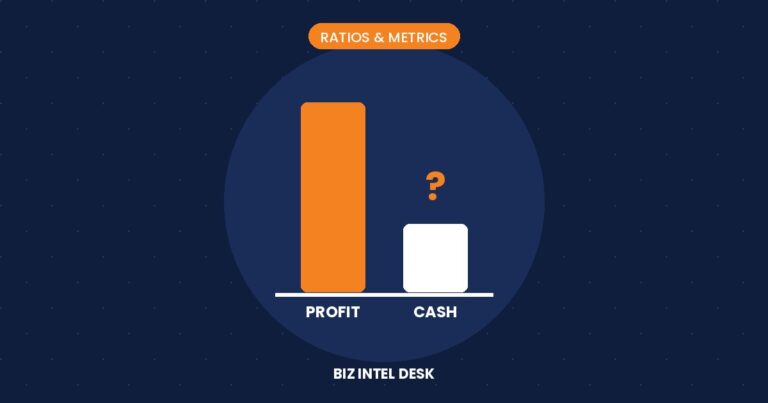
Why profit and cash flow are different, where the gap comes from, and why banks care more about your cash than your bottom line.
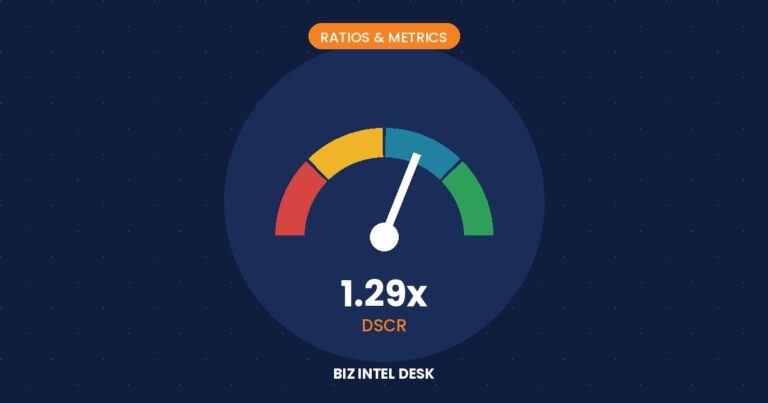
The complete guide to the debt service coverage ratio: how to calculate it, what lenders consider a good DSCR, how they stress-test it, and how to improve yours before you apply.